The smart buildings skills gap Europe still hasn't solved
Sept. 21, 2026
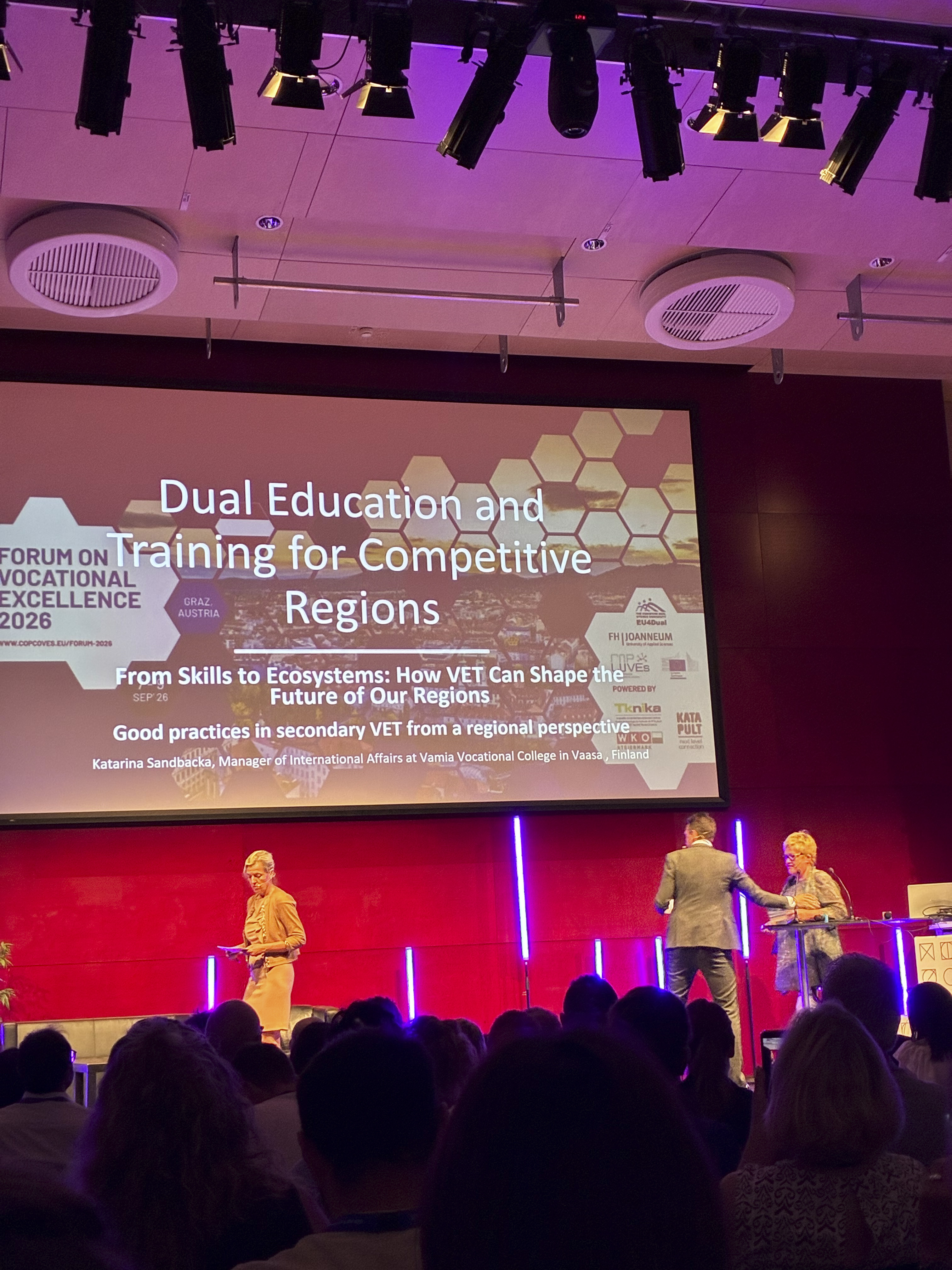
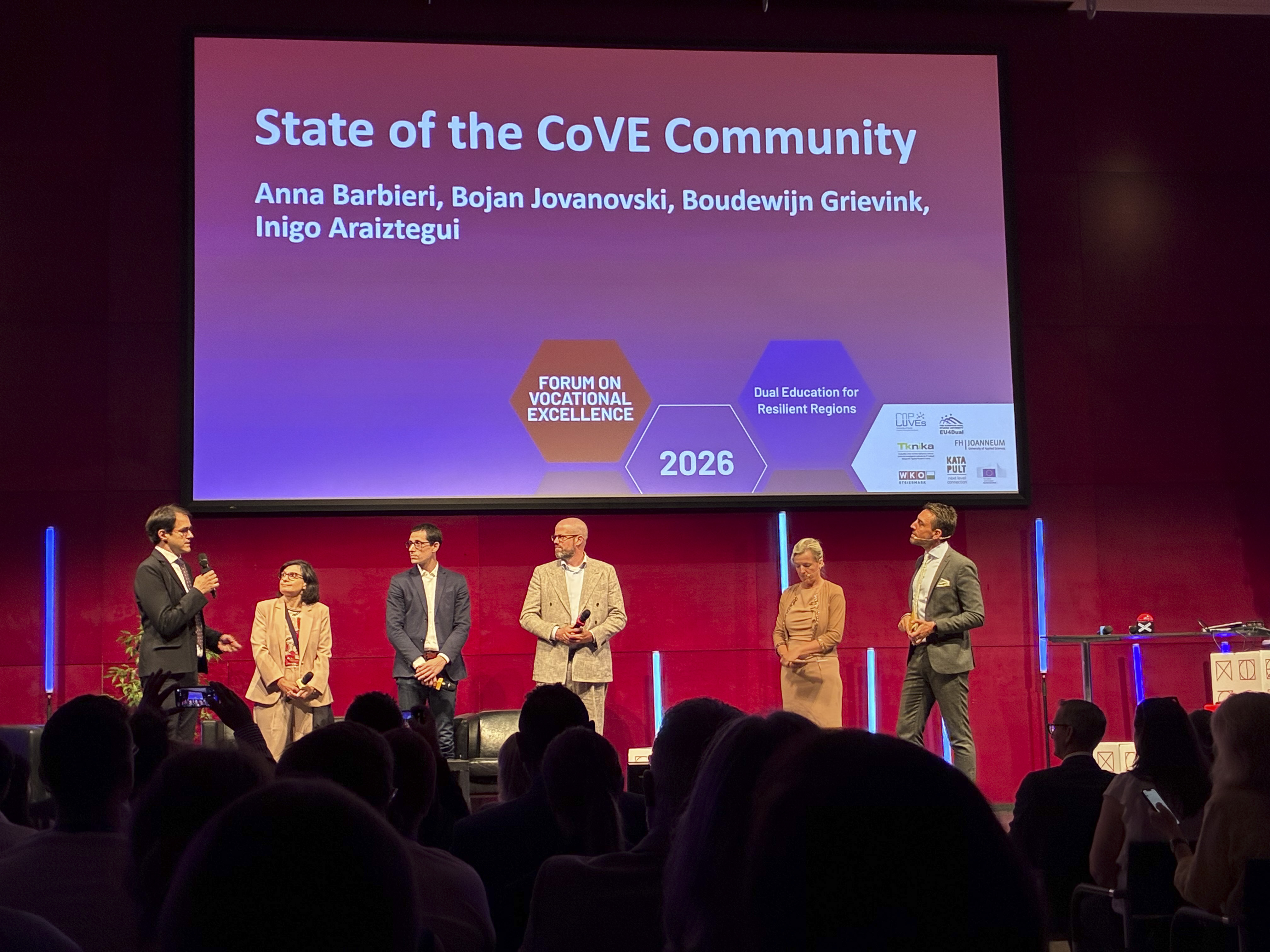
At this year's Forum on Vocational Excellence in Graz, colleagues from PHOEBE sat in on a workshop run by the BuildSkills Academy. The workshop opened with a number that says more about the smart buildings sector than most product launches do: nearly 300 distinct skills, tracked across a free, EU co-funded platform built to help vocational training providers work out where their courses fall short on green and digital construction competence.
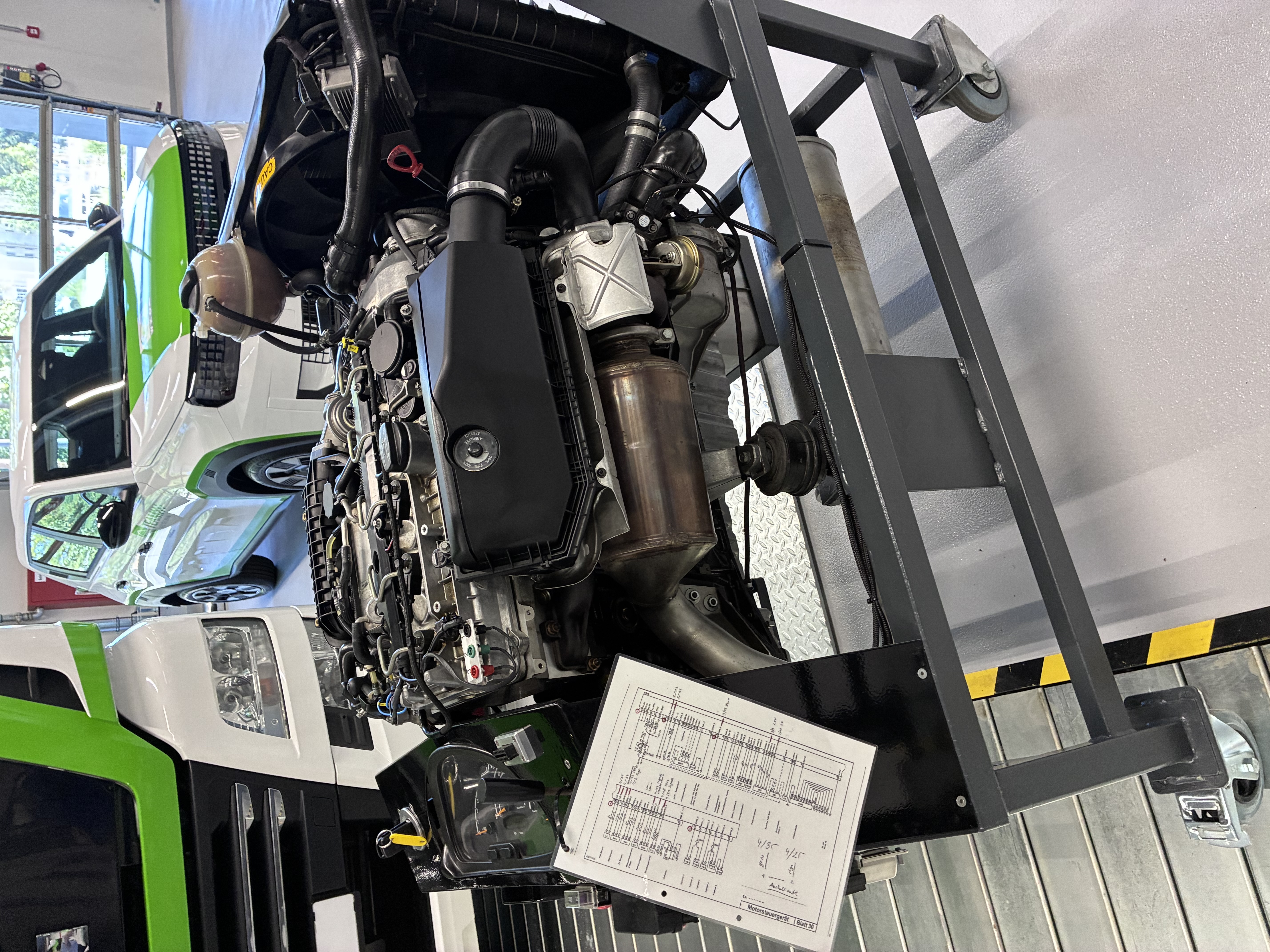
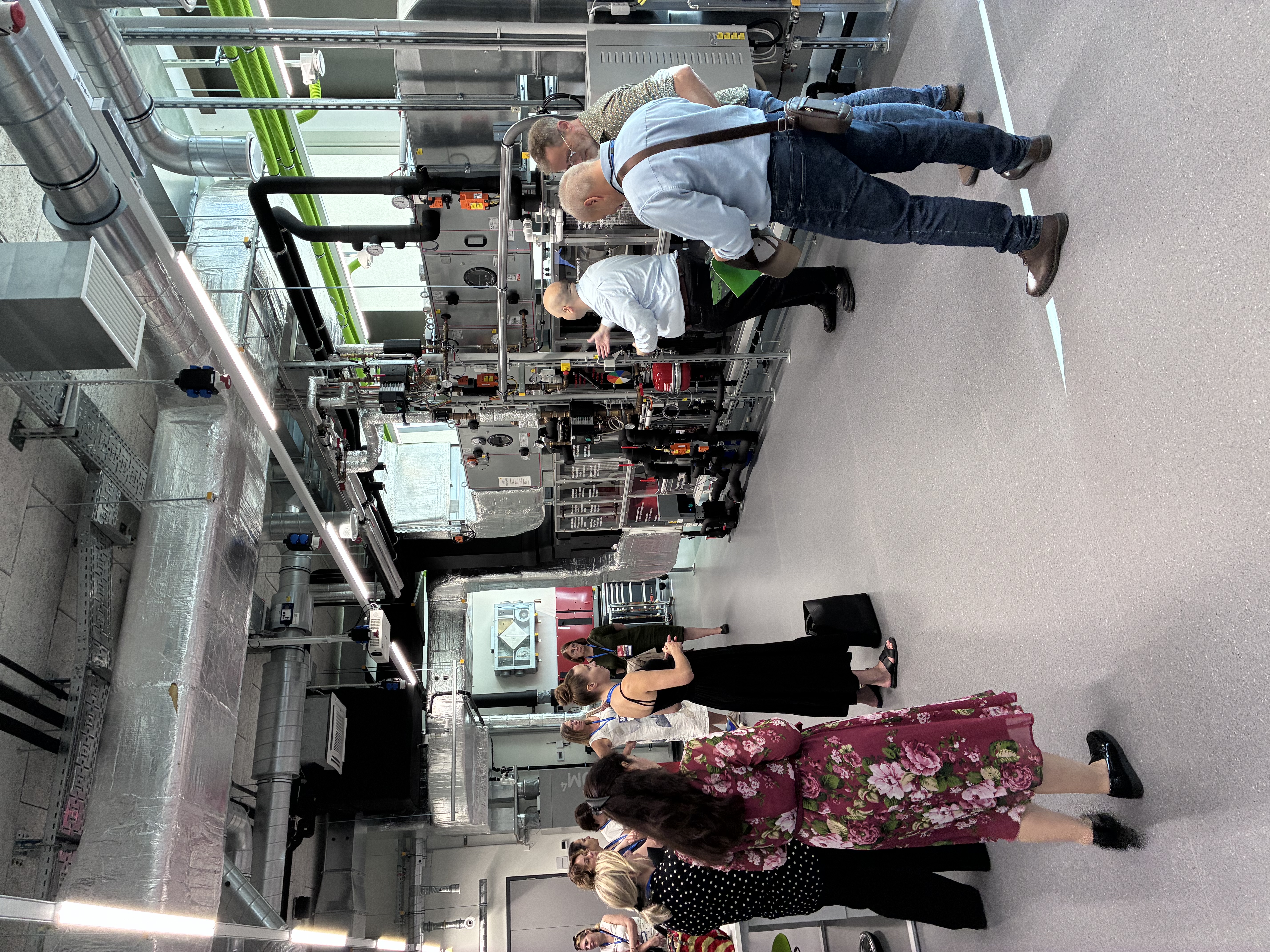
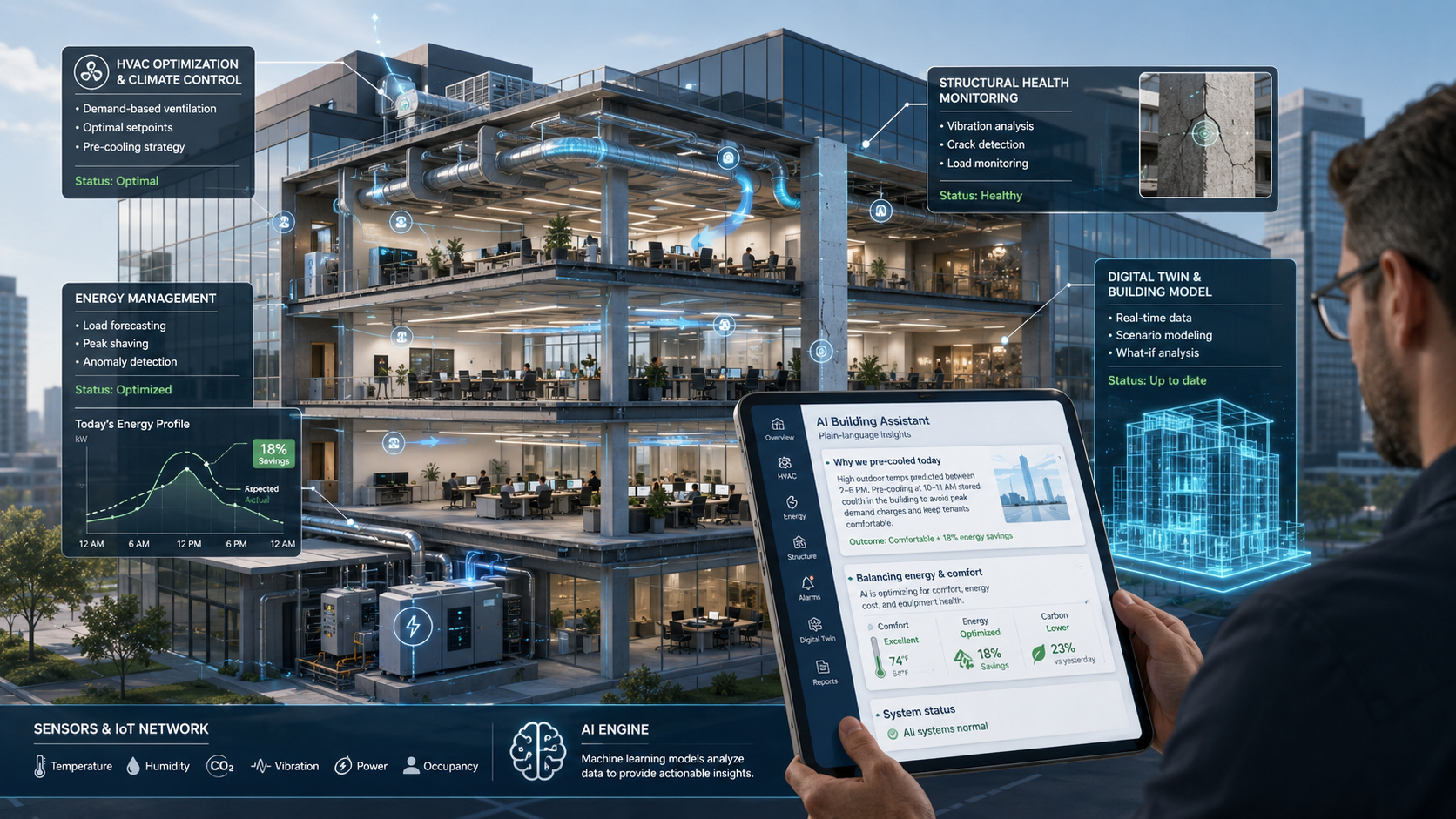
Most conversations about smart buildings start with the technology: sensors that track air quality, systems that learn a building's occupancy patterns, dashboards that flag a fault before anyone in the room notices it. Fewer conversations, however, start with who installs and maintains all of this! This is the gap that the BuildSkills Academy's platform is trying to close, via a self-assessment tool that checks training courses against the skills the green and digital construction transition actually demands, rather than against a curriculum written five years earlier.
So how does AI and IoT fit into the picture? Well both AI and IoT are, at the core, decision-support fields (note “fields” not just tools). That is to say, their goal is (or should be) to support a technician, an engineer, a facilities manager, or any other human worker, to acquire and untangle information faster, for example by flagging a failing sensor, a drifting temperature curve or an unusual pattern in air quality data; AI and IoT are not (or should not) be designed or used to remove the need for someone who understands the building well enough to act on what the data shows. A smart building that nobody can implement (in terms of installing the necessary components), calibrate or repair is not smart… it is just expensive (and probably [very] prone to errors). The workforce question is not a side effect of the technology. It is the precondition for the technology working at all.
It was also heartening to see how involved Cyprus is in this initiative, with the BuildSkills Academy partner list including the Cyprus University of Technology (CUT), the Cyprus Certification Company (CyCert), the Cyprus Energy Agency (CEA), the Federation of Building Contractors Associations of Cyprus and the Cyprus Employers and Industrialists Federation, either as named partners or associated partners in the project, working alongside organisations from Bulgaria, Greece, Italy, Lithuania and beyond.
The construction skills gap this workshop highlighted at the CoVE Forum in Graz, is not an abstraction for Europe generally, or for Cyprus specifically. It is a gap that Cypriot institutions are already helping to measure, from several different corners of the same ecosystem.
This is also where PHOEBE's own interest sits. Our work applies research to buildings and infrastructure with the explicit aim of getting it into commercial use, and a technology with no trained workforce behind it never gets past the pilot stage. In practice, the skills question and the technology question are two sides of the same coin; it just depends what side you are looking at!
To wrap up, it is worth noting that in her 2026 State of the Union address, delivered in Strasbourg on 16 September, Commission President, Ursula von der Leyen described climate change and artificial intelligence (AI) as the two forces that will decide how prepared, rather than simply how advanced, Europe turns out to be. Hence, preparedness, whether this concerns a building, a state or a union, is a workforce question as much as an engineering one.
Photo credit: © Foto Fischer