From Rooftops to Grids: How Citizens Are Powering Europe's Energy Transition
July 24, 2026
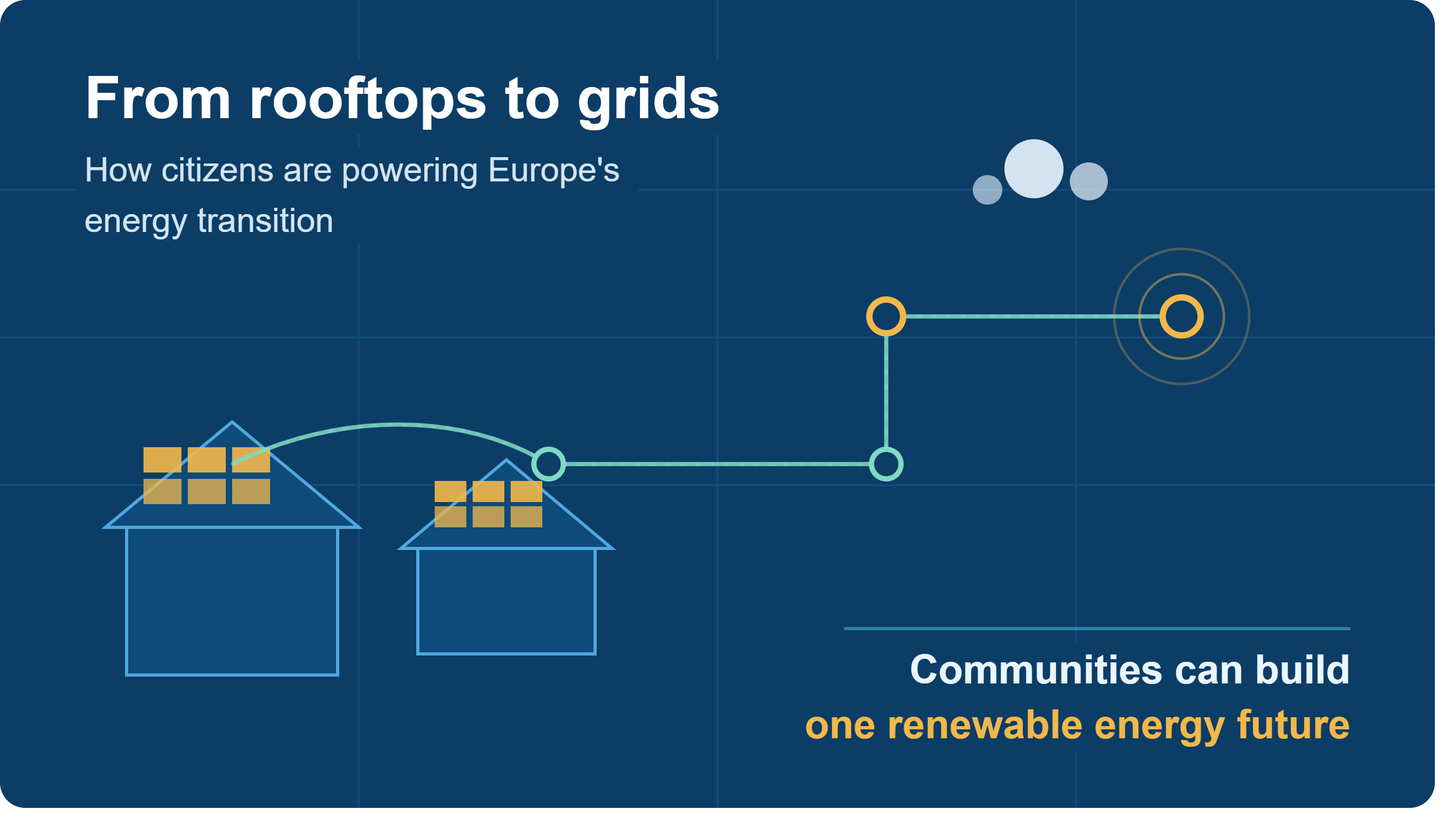
Europe's energy transition is often pictured as a story about turbines and transmission lines. In practice, it increasingly starts somewhere much smaller: a rooftop, a neighbourhood WhatsApp group, a town hall meeting where residents decide, together, to install solar panels as a community rather than as isolated households.
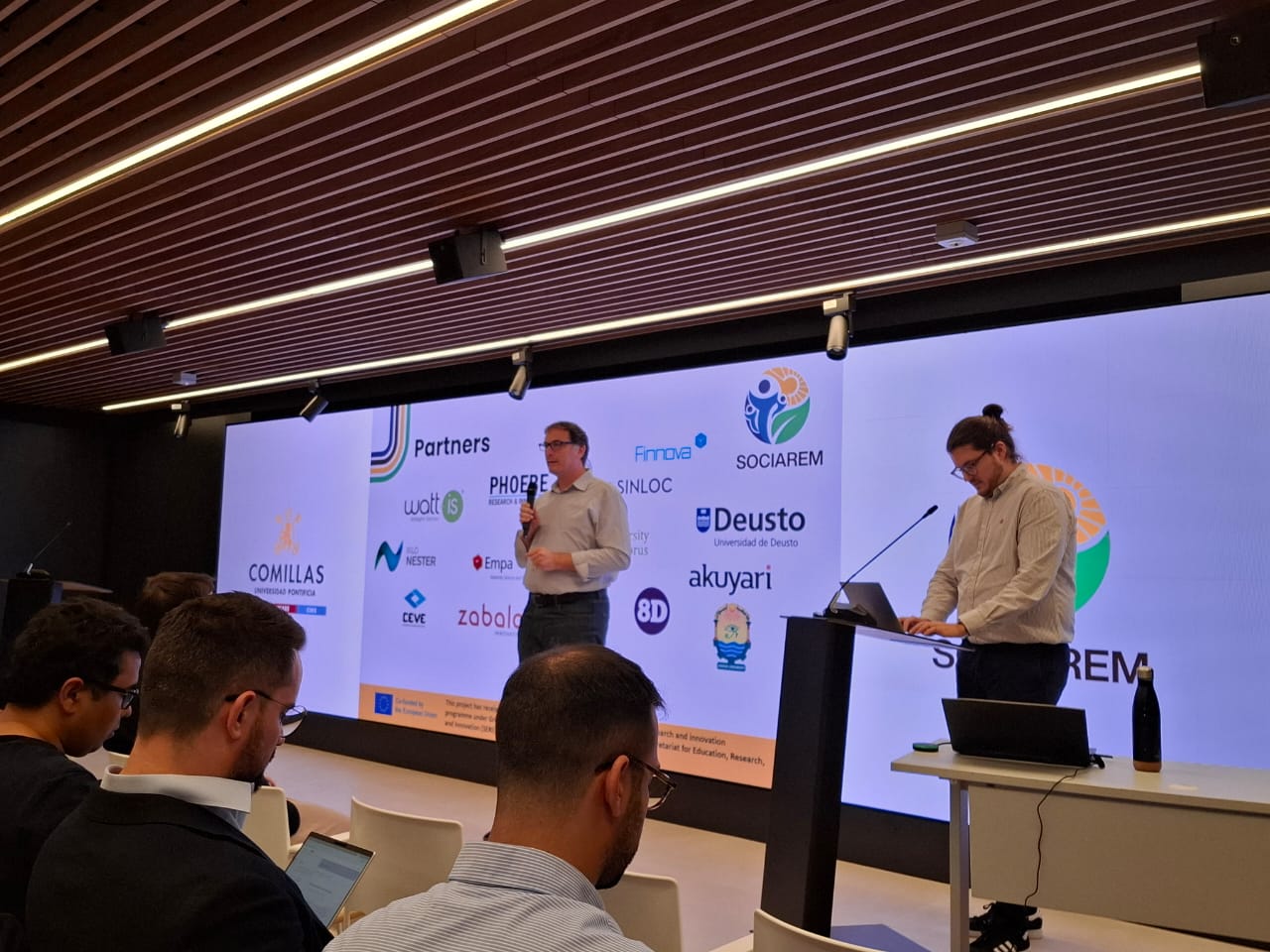
This is the premise behind the citizen-driven energy transition that the SOCIAREM project - a Horizon Europe initiative in which PHOEBE is a core technical partner - is built to accelerate.
Why community solar adoption is harder than it should be
Rooftop solar is not new. What's new is recognising that the real barriers to widespread photovoltaic adoption across Europe are rarely technical. They're social, financial and regulatory: energy poverty, confusing permitting processes, rental housing that discourages long-term investment and a lack of unbiased guidance for households trying to work out whether solar makes financial sense for them.
SOCIAREM was designed around exactly this gap. Rather than treating solar adoption as a purely engineering problem, the project brings together 15 partners across 9 countries to tackle it from every angle at once: gamified energy education, open-source models for renewable energy communities, unbiased consumer guidance tools and direct engagement with policymakers to simplify permitting.
PHOEBE's role: the technical backbone of the energy communities to be established in Cyprus
Within SOCIAREM, PHOEBE leads the implementation of IoT infrastructure for the demonstration site of the energy communities to be established in Cyprus, which is one of several real-world pilots across the consortium. That means deploying sensors and data acquisition systems that monitor and optimise energy flows in real time and building the underlying energy monitoring and management platform that ties it all together.
In practice, this is what turns community solar from a nice idea into something that works day-to-day: real-time data on how much energy a community is generating, storing and using, so participants can make informed decisions rather than guesses. It's a similar principle to PHOEBE's other large-scale infrastructure monitoring work in water and smart buildings, applied here to the specific challenge of renewable energy communities.
Community first, technology second
What distinguishes SOCIAREM from a typical smart-grid rollout is its insistence on starting with people. The project's gamification strategies for energy education and its unbiased guidance tools exist because uptake of renewable energy communities depends less on the availability of the technology and more on whether citizens trust it, understand it and feel some ownership over it.
That same principle underpins another initiative PHOEBE is involved in - CITIZEMP, an Erasmus+ project running across Cyprus, Greece and Bulgaria. Where SOCIAREM focuses on the technical and regulatory infrastructure for solar adoption, CITIZEMP works on the human side of the same challenge: training "Energy Champions" within local communities, running participatory design workshops and building the local capacity that lets a community actually organise itself around an energy project once the technology and permits are in place. The Municipality of Athienou's co-creation workshops are one example of residents shaping the educational materials themselves, rather than receiving them ready-made.
Seen together, SOCIAREM and CITIZEMP represent two halves of the same equation: one builds the digital and regulatory tools that make community solar adoption possible, while the other builds the local capacity and trust that makes it sustainable.
What this means for Europe's energy transition
The consortium's ambition is straightforward: make solar adoption more inclusive and accessible and give renewable energy communities practical, tested tools rather than good intentions. For citizens, that means clearer guidance and less bureaucracy. For grid managers, it means better data. For Europe's broader climate targets, it means an energy transition that isn't just top-down policy, but something communities actively build and own.
Interested in how PHOEBE's IoT and energy monitoring platforms could support your community's energy project? Get in touch with our team.